Antibiotics: The Reward and The Risk
What Are Antibiotics?
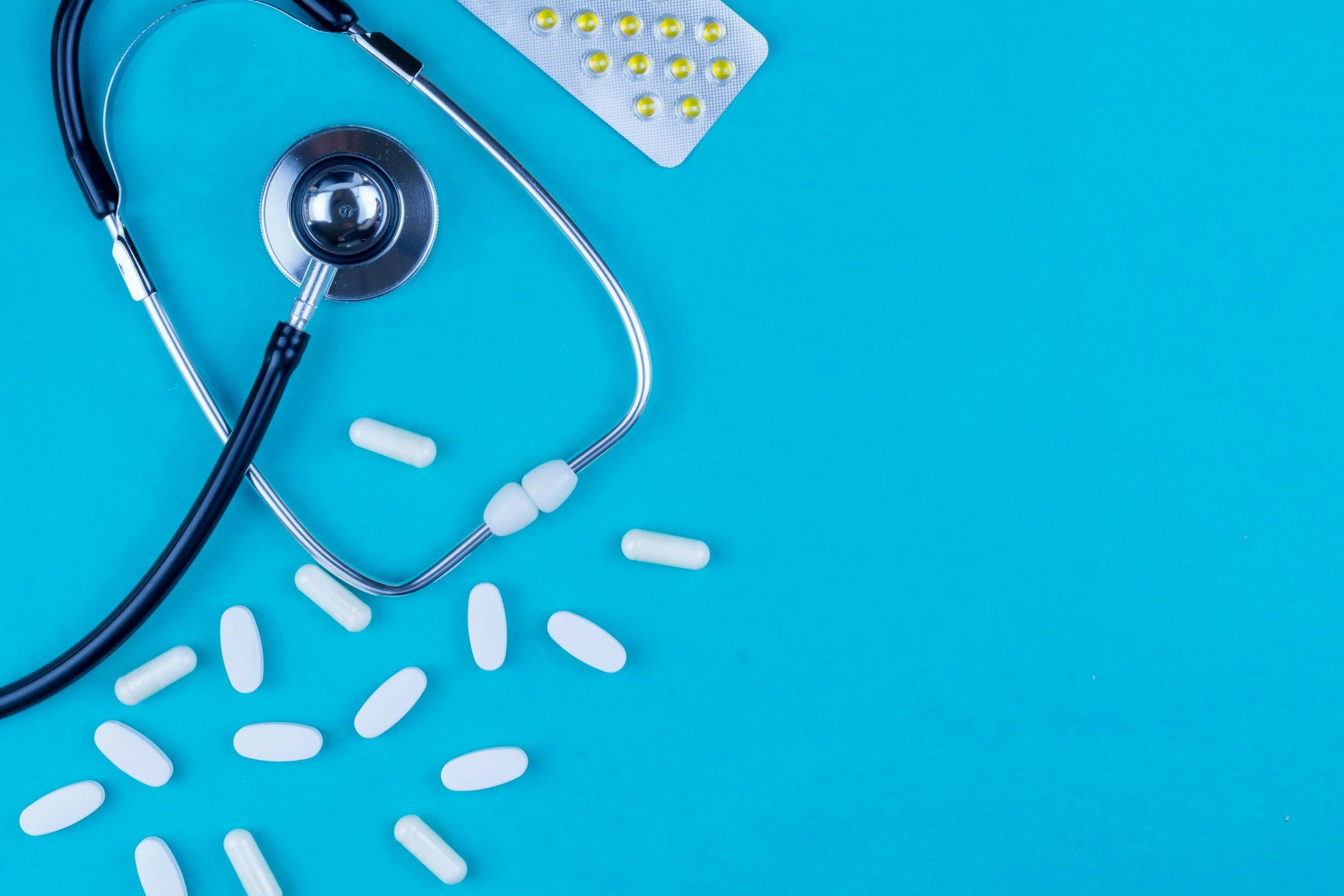
Antibiotics are power medicines that kill bacteria. The term “antibiotic” literally means a substance capable of inhibiting or killing microorganisms.
Antibiotics have only been around for about 100 years, but the impact they’ve had on medicine is exponential! Infections that were once life-threatening are now treatable!
Today antibiotics are given by mouth, on the skin, or in serious circumstances through an IV line. You’re probably most familiar with oral antibiotics, those given by mouth, as tablets, pills, and since you have kids: liquid (see follow-up article for more information).
What Do Antibiotics Treat?
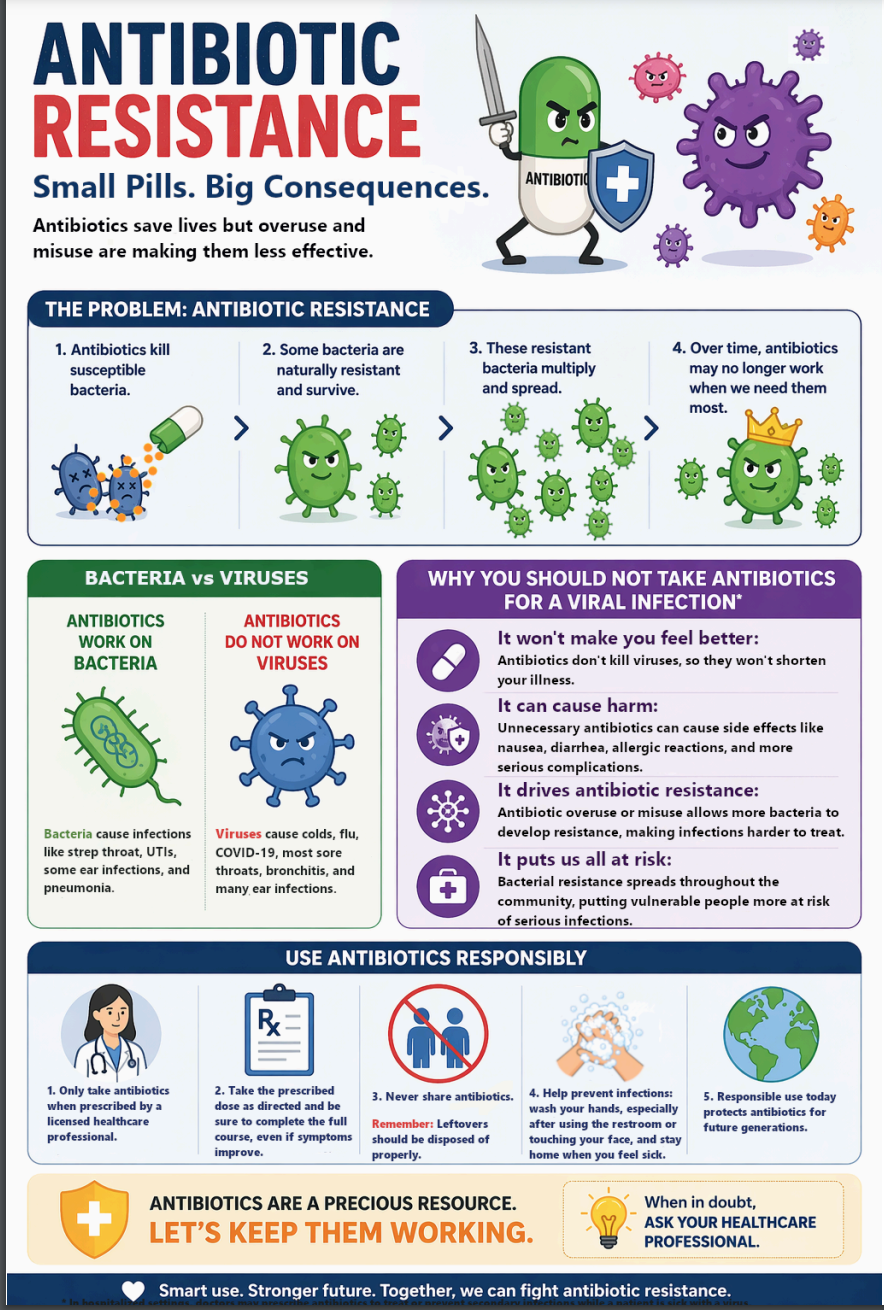
It’s important to understand: antibiotics treat bacterial infections, not viral ones.
Bacterial infections include illnesses like cellulitis, staph infection, bacterial pneumonia, strep throat, whooping cough, urinary tract infection (UTI), pink eye, and more. When someone has a bacterial infection, antibiotics can make a real difference.
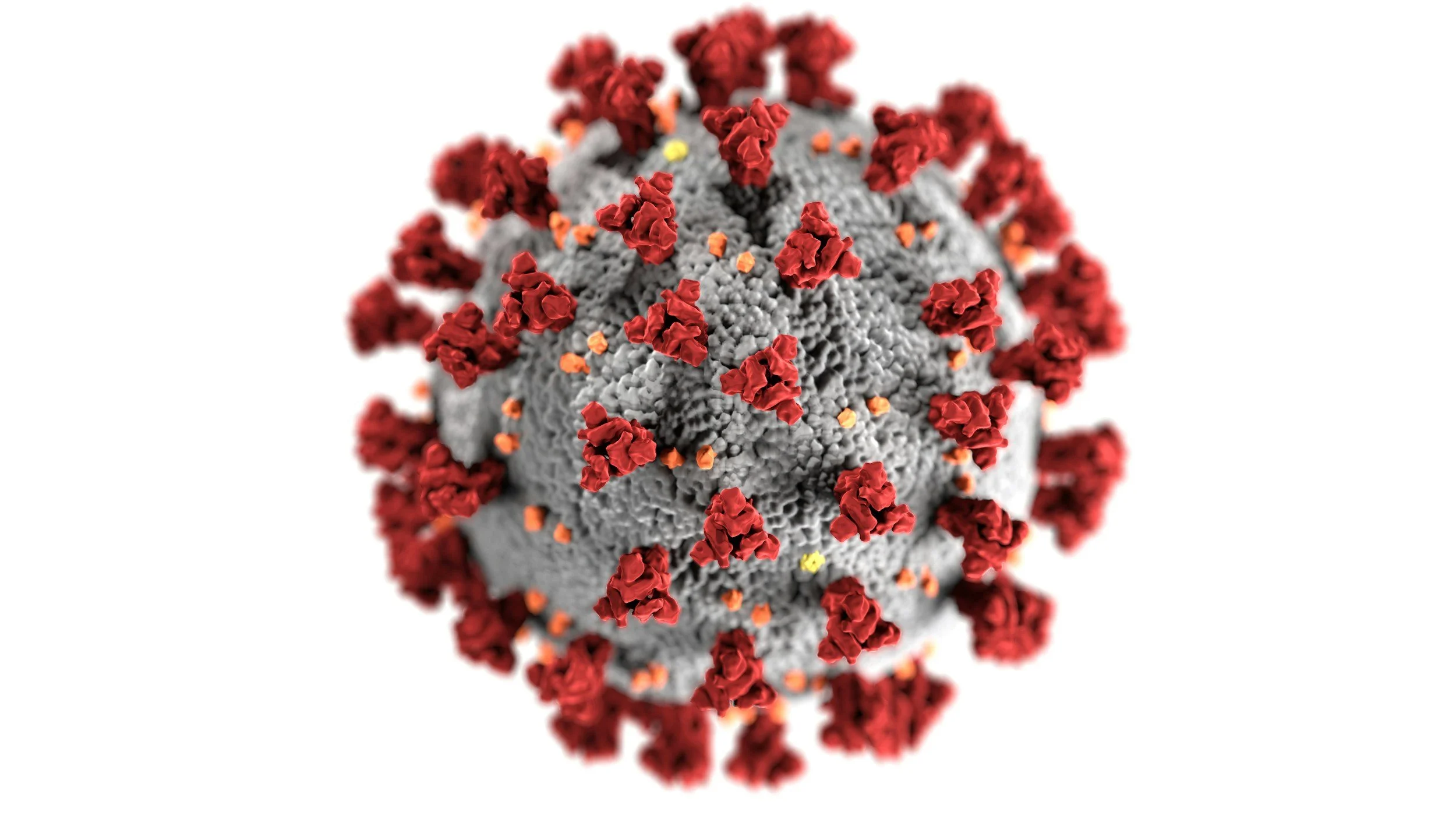
Viral infections, on the other hand, include the flu, common colds or runny nose, most instances of bronchitis, and sore throats (unless it’s strep throat). If the doctor says “it’s viral,” antibiotics won’t help. In fact, they may cause harm.
The good news is that most viral infections go away on their own and rather quickly. The immune system is, usually, very good at recognizing and clearing viruses.
Why Not Take Antibiotics “Just In Case”?
It’s completely understandable to want to do something, anything, when you or your child is sick. But taking antibiotics when they aren’t needed can lead to serious problems like increased side-effects and antibiotic resistance.
Antibiotics work alongside the immune system to kill the harmful bacteria causing an infection. However, not all harmful bacteria are equally vulnerable to treatment; they have a natural resistance and can survive longer. If antibiotics are stopped too early or prescribed too often, the stronger harmful bacteria are left behind to multiply and spread.
Over time, antibiotic resistant bacteria take over making it harder to treat infections. Additionally, resistant bacteria can pass their resistance to other bacteria meaning the impact goes beyond just one kind of bacteria. This is how “superbugs” develop.
Common Mistakes That Increase Risk
A few common habits can unintentionally contribute to antibiotic resistance. One is asking for antibiotics when an illness is viral, even with the best intentions, and yes, doctors should resist prescribing them, but they’re also human and want to help.
Another is stopping the medication early once you or your child starts to feel better rather than completing the full course prescribed by the doctor. The full course of antibiotics is designed to help decrease the presence of the naturally resistant bacteria.
Sometimes you’ll have leftover antibiotics, especially if you have liquid antibiotics for your child. Leftover antibiotics should not be shared, even within the same household. While this might seem practical at the moment, it can lead to improper treatment and increase the risk of resistant infections.
How To Use Antibiotics Responsibly
The good news is that small choices can make a big difference. Using antibiotics responsibly starts with trusting your healthcare provider and only using antibiotics when prescribed. If a doctor says they aren’t needed, it’s because antibiotics won’t help.
When prescribed antibiotics, it’s important to follow the instructions carefully. Give the correct dose at the described time interval, and most importantly, finish the full course, even if you or your child feels better after a few days. Remember: stopping early can allow stronger bacteria to survive.
It’s also important to never share antibiotics. Each prescription is chosen specifically for a particular infection and individual. Leftover medications should be disposed of properly. Pills and tablets can be thrown away after removing personal information from the label, or you can ask if your pharmacy has a take-back program designed to decrease the amount of antibiotics in landfills. Liquid antibiotics should never be poured down the sink! Instead, add coffee grounds, kitty litter, or alcohol to the liquid antibiotics, seal the container, and then throw it away.
Finally, prevention plays a big role in preventing antibiotic resistance. Regular handwashing, staying home when sick, minimizing face-touching can all help reduce the spread of infections which in turn reduces the need for antibiotics.
TLDR
Antibiotics are incredibly valuable tools in modern medicine, but they don’t cure everything. Antibiotics do not treat viral infections.
Using antibiotics when they aren’t needed, or using them improperly, can increase side-effects of the antibiotics and reduce their effectiveness in the future making infections harder to treat.
Remember: Smart, responsible antibiotic use today helps protect you and your child and ensures that antibiotics remain effective for years to come.