From “Toddler vs. Baby” to “Toddler and Baby”
When I found out I was pregnant with my second child, one of my first concerns wasn’t diapers or sleep, it was my toddler. Would he feel replaced? Would he be angry? How will this change our relationship? I read everything I could find about introducing a toddler (mine was 21 months) to a newborn. But like most things in parenting, nothing fully prepares you for the real moment.
Still, there are ways to make the transition smoother for your toddler, your newborn, and you.

Pregnancy with a Toddler: Start the Bond Early
The sibling relationship can begin long before your baby is born. Toddlers are incredibly perceptive. They notice your changing body and routines. You can gently turn that awareness into connection:
Talk about the baby often: “Mommy is growing your baby brother/sister.”
Encourage gentle interaction: “Easy, that could hurt the baby.”
Reinforce affection: “Thank you for the kisses, baby loves that.”
Include baby in routines: “Baby loves reading with us,” or “Baby is listening to this story too.”
Teach them to share everything: start taking toys, drinks, all thing and saying “my turn” and then handing it to your toddler and saying “your turn”, so they learn about taking turns
One simple but effective trick is to “include” the baby in play. When my toddler brought me a toy, I’d say “This is so cool! Can baby play too?” Then I’d put the toy on my belly so my toddler could “play” with his sibling. Was it always gentle? Definitely not. But that’s part of toddler life and part of the learning process.
Preparing for Birth: Stability Matters
When the big day comes, your toddler’s world will already be shifting, so stability is key. Make sure they stay with someone they: know well, trust, and feel safe with.
Labor can be long and unpredictable. In my case, it lasted nearly 36 hours. Knowing my toddler was happy and secure with his grandmother made all the difference. Even though it was my toddler’s first-time spending nights away from my husband and me, he did surprisingly well because he was with someone familiar.
The First Meeting: Let Your Toddler Lead
There’s no single “right” way to introduce siblings, but these is one guiding principle:
Make sure your toddler doesn’t feel replaced!
Every child is different, so choose what fits your family best. Some ideas are:
Baby in bassinet
One parent holding the baby
Baby introduced after greeting toddler first
We chose to have our newborn in the bassinet when my husband brought our toddler into the hospital room. I knew my toddler might be upset after being away from me, and I didn’t want his first impression of his brother to be “mom is holding someone else.”


Life at Home: Expect an Adjustment Period
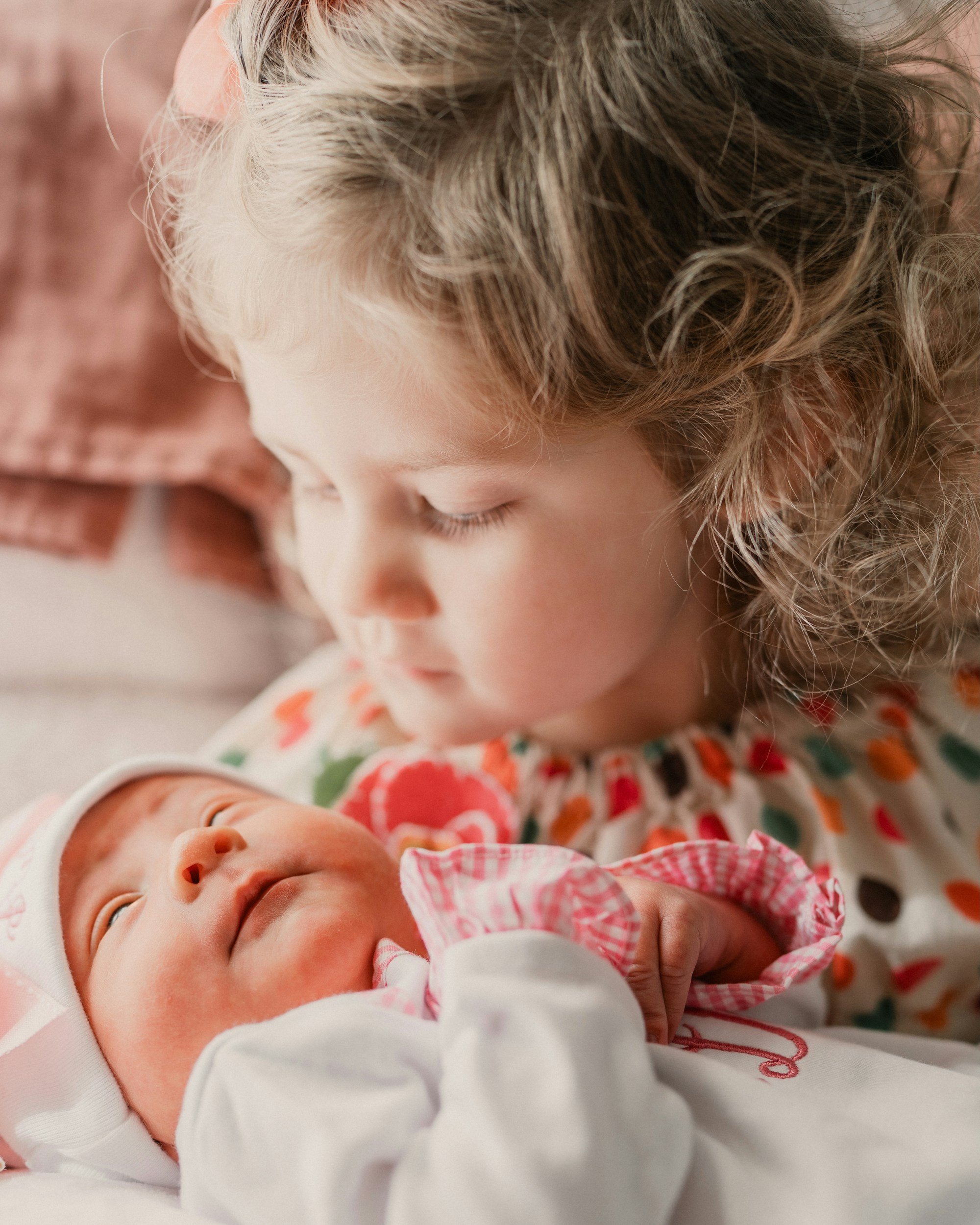
The most important thing to remember is that your toddler’s world has changed overnight. They’ve gained a lifelong companion, but also someone they now have to share everything with, especially you.
Some common reactions:
Regression (sleep, potty training, etc.)
Increased clinginess
Acting like the baby (wanting a pacifier, copying behaviors, etc.)
In our house, my toddler suddenly needed a hat whenever the baby wore one and became very interested in a pacifier he never cared about before. This is normal. It’s not misbehavior; it’s adjustment.
Real-Life Tips to Reduce Jealousy:
Blame the Clock: This has been a lifesaver. “The clock says it’s naptime.” “The clock says baby needs to eat.” It redirects frustration away from you and the baby, and toward something neutral. It takes consistency, but it works.
Protect One-on-One Time: Even 10–15 minutes of focused attention can make a huge difference. Play, Read, Snuggle. Your toddler used to have all of you. Now they’re learning to share you, and one-on-one time can help ease that transition.
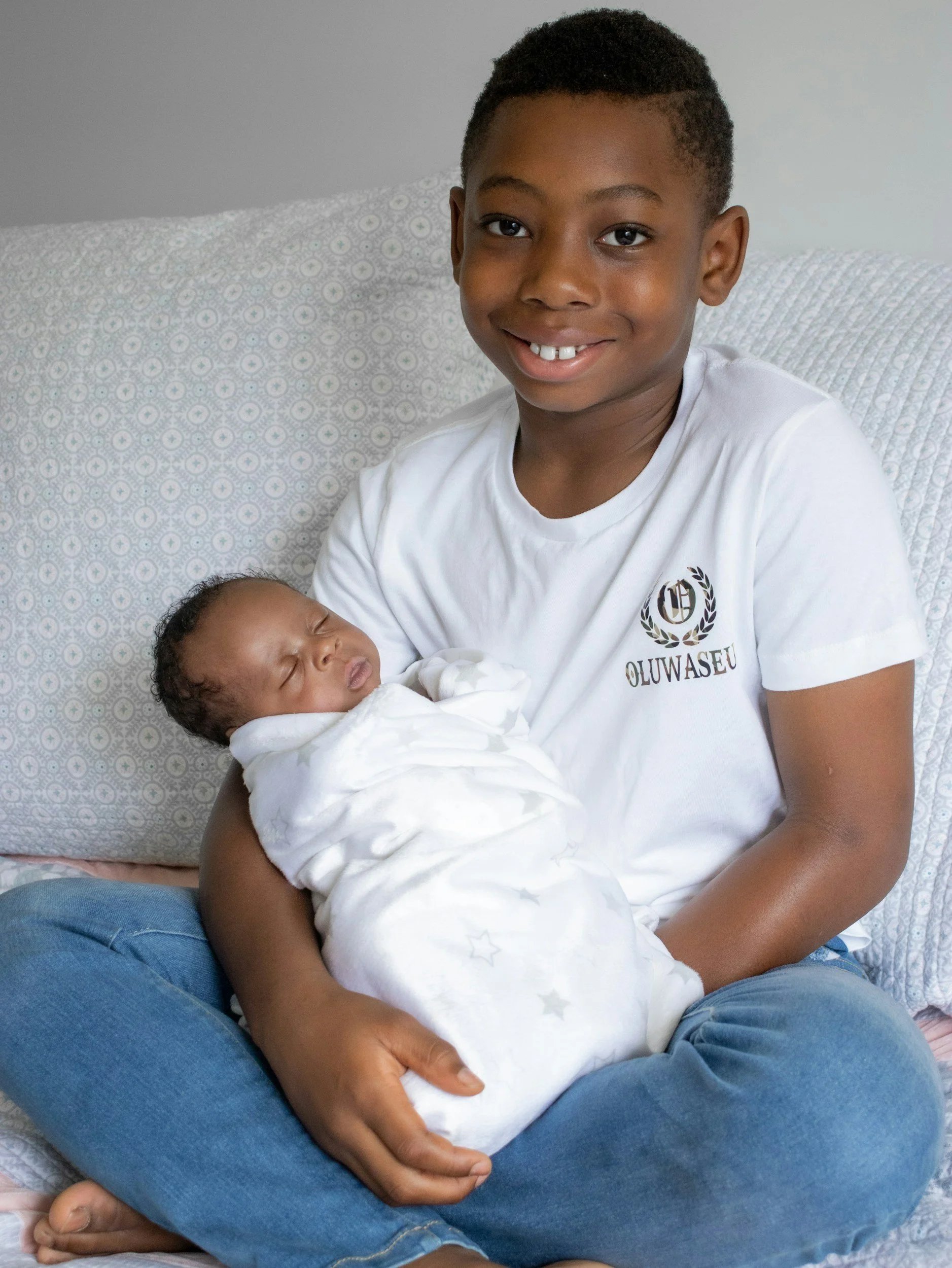
Let Your Toddler Help (Safely): Yes, it’s a little nerve-wracking, but it’s also wonderful. You can involve them in: fetching diapers throwing things away, and gently comforting the baby. We let our toddler hold the baby while sitting with a pillow on his lap, with full supervision. It gave him a sense of pride and connection.
Divide and Rotate: If you have a partner, take turns caring for each child. This helps both kids feel equally loved and each parent stay connected to both children. It also reinforces that love isn’t being “taken” - it’s being shared.
Be Patient (With Everyone—Including Yourself): This transition is big for your toddler and for you. Some days will feel smooth. Others won’t. You won’t always be able to meet both kids’ needs at the same time, and that’s okay. You’re not failing. You’re adjusting.
Final Thoughts
The shift from “only child” to “big sibling” isn’t always seamless, but it’s meaningful. What starts as uncertainty can grow into something incredible:
A built-in best friend
A lifelong bond
A love that’s entirely their own
And one day, you’ll look over and realize it’s no longer toddler vs. baby.
It’s toddler and baby.