LET’S TALK ABOUT FIRST WORDS: What Parents Need to know about early language development with Chelsey Kotler, MA, CCC-SLP
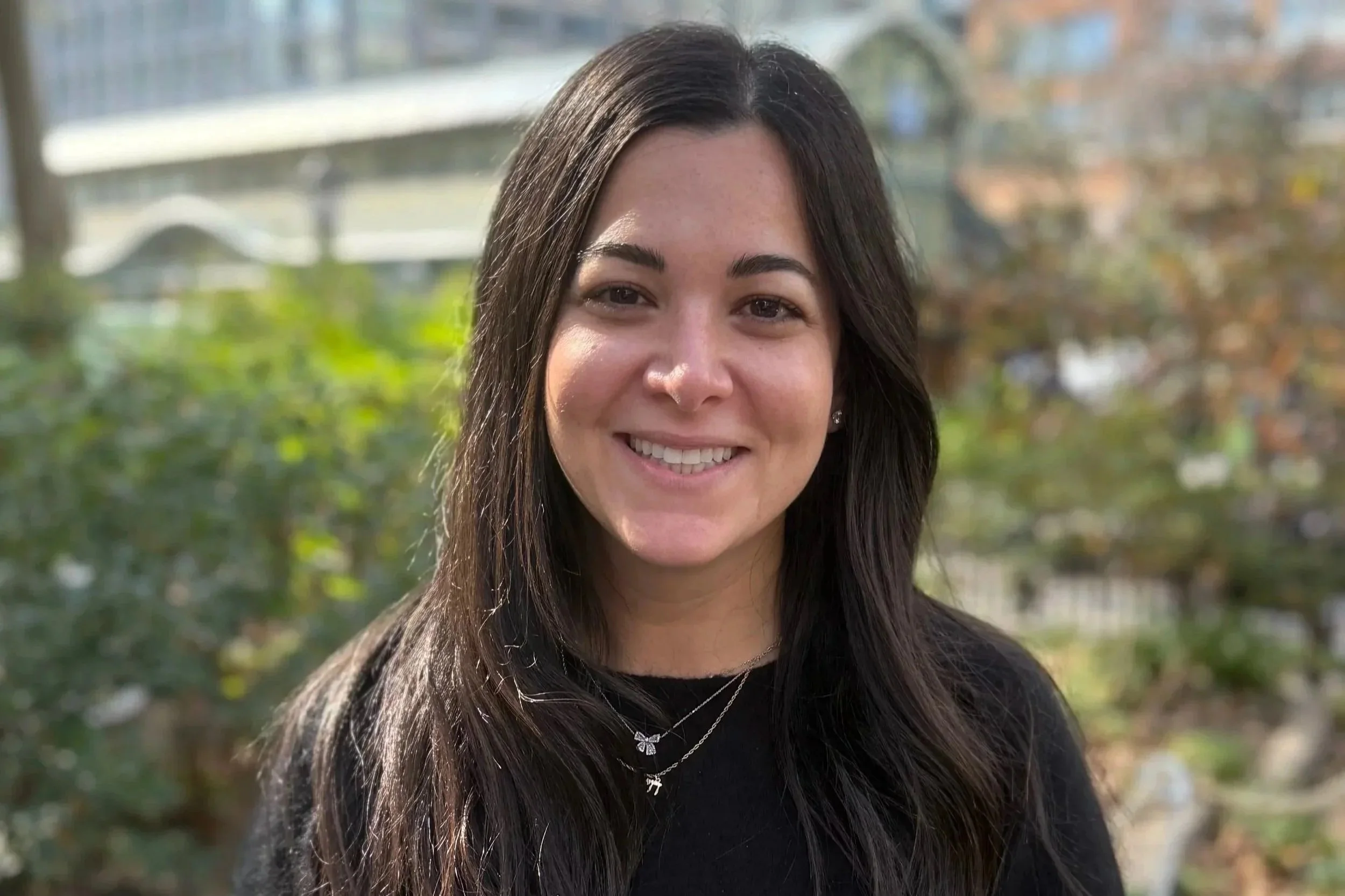
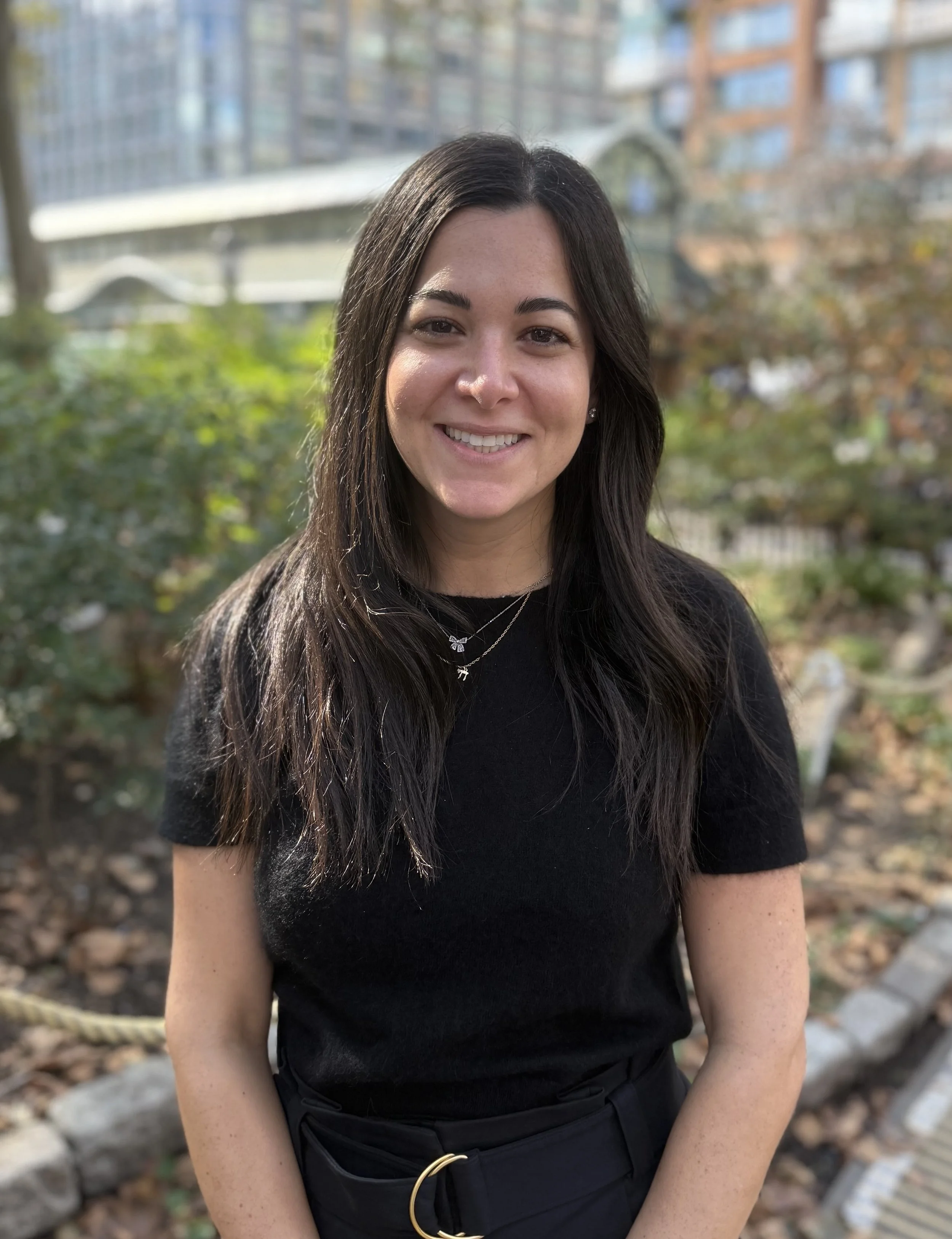
Chelsey Kotler, MA, CCC-SLP
We at MPF spend lots of time talking about all the aspects of growth and development. It’s a big topic and an area ripe for question and confusion. Today we are featuring Chelsey Kotler who is a pediatric speech-language pathologist to share more about early language development. If local to the area, check out her practice Speech Zone in the Upper West Side.
There’s something unforgettable about hearing your child’s first word. Whether it’s “mama,” “dada,” or something completely unexpected like “tree,” it often feels like a major milestone, because it is! But behind that moment is a much bigger picture of language development that starts long before first words ever emerge.
As a pediatric speech-language pathologist with almost 15 years’ experience, one of the most common questions I get is: “When should I be worried if my child isn’t talking yet?” The answer isn’t always black and white, but there are clear patterns, signs to watch for, and simple ways to support your child at home.
Before First Words: Language Starts Early
Language development doesn’t begin with words; it begins with connection. From birth, babies are learning how communication works. They make eye contact, respond to voices, share attention in objects and actions, make sounds and eventually start to use gestures like pointing or reaching. These early skills are foundational and often more important than the actual first word.
Here’s a general progression:
● 0 – 6 months: Cooing, smiling, reacting to voices
● 6 – 9 months: Babbling (e.g., “bababa”), responding to name
● 9 – 12 months: Gestures (pointing, waving), understanding simple words (“no,”“bye-bye”)
If your child is approaching their first birthday and not yet using gestures or engaging socially, that’s often more concerning than the absence of spoken words alone.
When Do First Words Typically Happen?
Most children say their first meaningful word around 12 months, but there’s a range. Some children may start closer to 10 months, others around 14 – 15 months.
What matters more than the exact timing is:
● Are they trying to communicate?
● Are they using gestures, sounds, or approximations?
● Are they understanding language?
A child who isn’t talking yet but is pointing, babbling, and clearly engaging is on a very different trajectory than a child who is quiet, not gesturing, and not responding to language.
When Should Parents Be Concerned?
Here are some RED FLAGS that may warrant a closer look:
● No babbling by 9 months
● No gestures (pointing, waving) by 12 months
● No words by 15 – 16 months
● Limited eye contact or lack of response to name
● Regression (losing words or skills they previously had)
If you’re noticing any of these, it’s worth seeking out an opinion from a speech pathologist. Early support gives you answers and guidance earlier, and oftentimes leads to easier progress more quickly.
What Parents Can Do at Home (That Actually Works)
The good news: you don’t need flashcards, apps, or complicated programs to support language. The most effective strategies are simple, natural, and built into your daily routines.
1. Follow your child’s lead:
Talk about what they’re interested in. If they’re focused on a ball, don’t redirect to colors or numbers - stay with “ball,” “roll,” “go!”
2. Model, don’t quiz:
Instead of asking “What’s this?” repeatedly, model language:
● “That’s a dog!”
● “The dog is running!”
Children learn more from hearing language than being tested on it.
3. Get face-to-face:
Position yourself at your child’s level so they can see your mouth, facial expressions, and gestures. This makes a huge difference.
4. Use simple, repetitive language:
Keep it short and consistent:
● “Up!”
● “More snack”
● “Go car!”
Repetition builds familiarity and confidence.
5. Pause and wait:
One of the most overlooked strategies. Say something, then pause (~3 seconds). Give your child space to respond, whether it’s a sound, gesture, or word.
A Final Note for Parents
If you’re wondering whether your child is “on track,” trust that instinct. You know your child better than anyone. At the same time, try not to get caught up in comparisons. Development isn’t linear, and there’s a wide range of “normal.” What matters is progress, engagement, and connection. And if you’re unsure? Ask. Advocate. Seek support.
Chelsey Kotler is a pediatric speech-language pathologist who helps children build clear, confident communication from their very first words through more complex speech and language skills. She specializes in speech sound disorders (including apraxia), early language delays, and autism. Her approach is practical, supportive, and focused on giving parents clear strategies they can use in everyday life. She owns and runs Speech Zone; a pediatric speech therapy practice located on Manhattan's Upper West Side.