

Let’s Talk Screen Time, Without The Guilt Trip
I promise this isn’t a “back in my day” lecture about screen use for children. Screens are part of modern life. They’re how we learn, connect, work, and yes, sometimes just get a moment of quiet. But like most powerful tools, their impact depends on how we use them, especially for children.
So, let’s talk screen time: the good, the risk, and the science behind it all.
The Good
Educational content
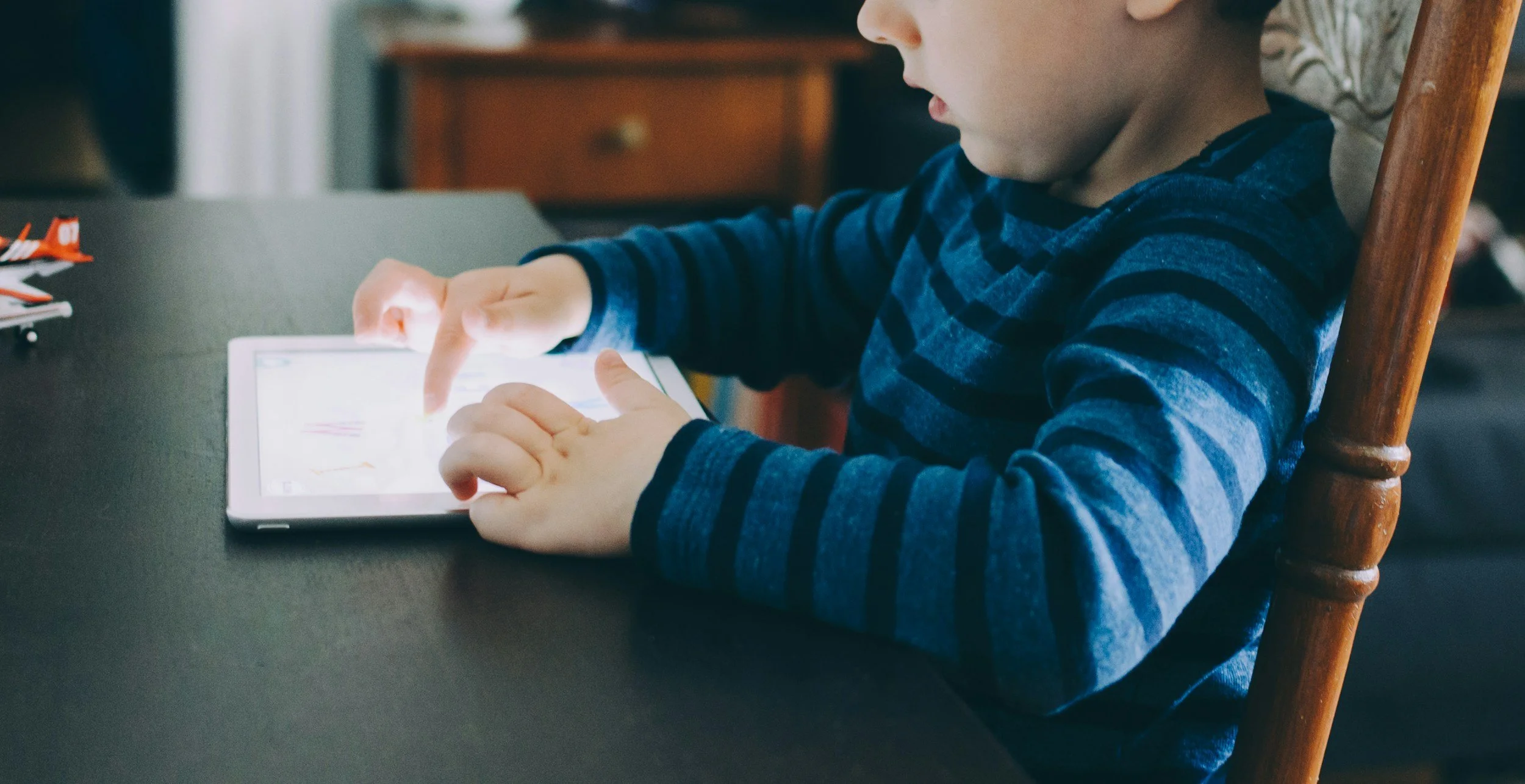
Not all screen time is created equal. Research shows that interactive, adult-guided content can significantly enhance learning.
A 2010 study found that children engaging with e-storybooks alongside an adult were more attentive and engaged for longer periods of time than with traditional books. Later research (2017) reinforced this idea: children learn best when media includes responsive interactions, especially by a caregiver.
Takeaway: Screens can teach, but co-viewing matters. Think of it as a shared activity, not a digital babysitter.
Physical Activity (Yes, Really)
Screen time doesn’t have to mean sitting still.
“Active” media, like dance videos or movement-based video games, can increase short-term physical activity. Interactive dance videos like Head, Shoulders, Knees, and Toes or the Tootie Ta Dance can turn what would have been sitting in front of a screen into movement.
Takeaway: If screens are involved, make them active and when possible, join in. Dance parties are always fun.
Creativity and Skill Building
For older children and teens, screens often become tools for creation rather than consumption.
From coding, graphic design, video editing, music producing, you name it, screens provide access to all. What was once a meaningful hobby may turn into a career.
Takeaway: When kids are making instead of just watching, screen time becomes far more valuable.
The Risk
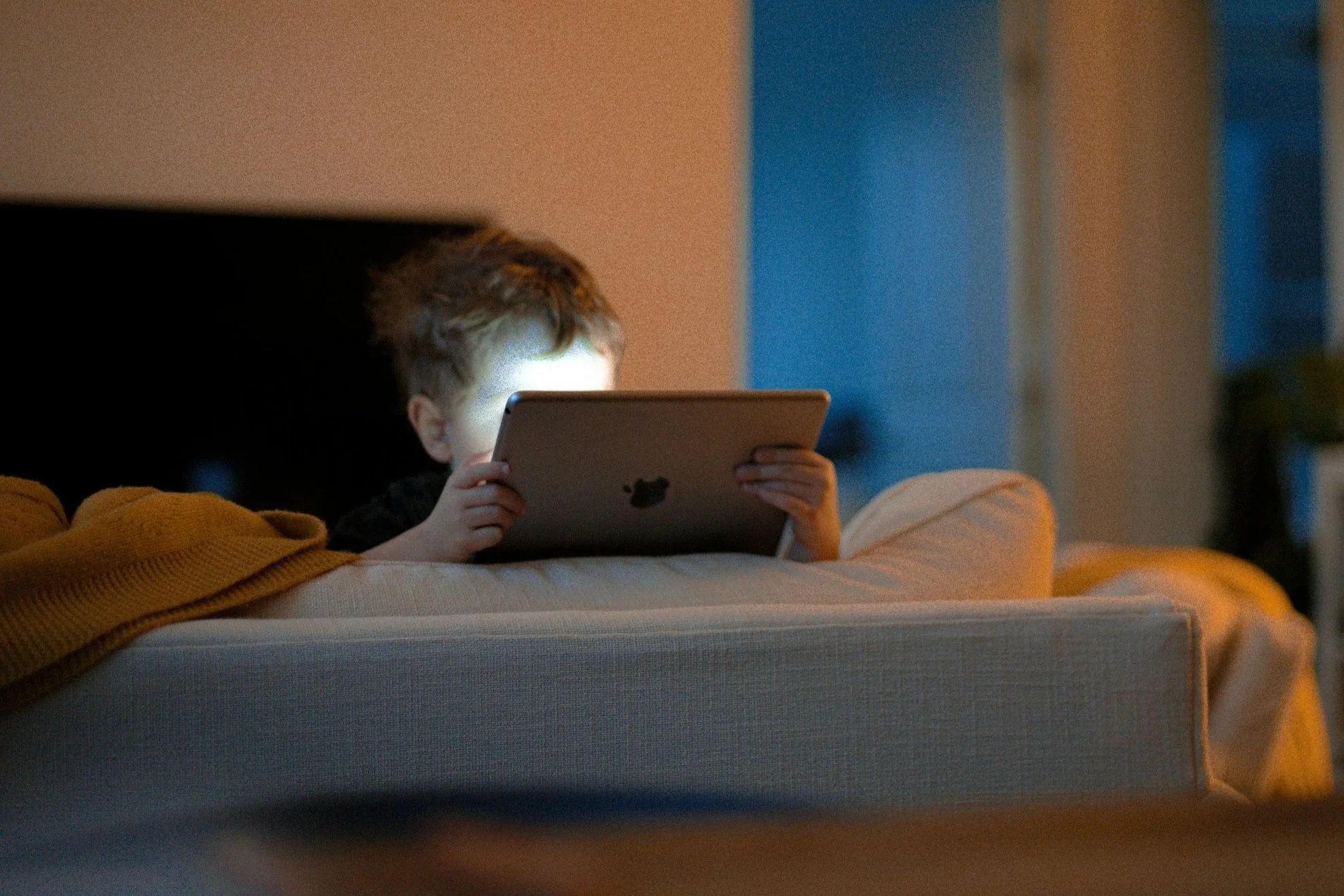
Social withdrawal
Children develop social skills through face-to-face interaction: learning empathy, communication, and conflict resolution in real time.
Excessive screen use can replace these interactions, sometimes leading to social withdrawal or difficulty forming relationships.
Depression & Anxiety
A 2025 study found a concerning pattern: increased screen use was associated with higher rates of anxiety, depression, aggression, and hyperactivity.
The relationship goes both ways:
More screen time can contribute to emotional challenges
Children experiencing those challenges may turn to screens as a coping mechanism
The study also noted differences:
Older children (6–10) showed stronger negative effects than younger ones
Girls were more likely to develop socioemotional issues with increased use
Boys were more likely to increase screen use when struggling emotionally
*Note from the docs: anecdotally, we have noticed a surge in mental health issues with young teens so we really urge thoughtfulness around social media since adolescence is such an impressionable stage
Academic Struggles
Long-term studies suggest a connection between early screen exposure and later academic outcomes.
For example:
The Quebec Longitudinal Study found that each additional hour of TV exposure at age 2 was linked to lower classroom engagement and math performance years later
Other studies in Spain and the U.S. found associations between higher screen use (especially multitasking) and lower academic achievement
Takeaway: It’s not just how much screen time but when and how it’s used.
What Do Experts Recommend?
Guidelines from the American Academy of Child and Adolescent Psychiatry provide a practical framework:
Under 18 months: Limit to video chatting with an adult
18–24 months: Only high-quality content with a caregiver
Ages 2–5: ~1 hour/day on weekdays (non-educational), up to 3 on weekends
Ages 6+: Focus on balance and healthy habits
Additional best practices:
Keep screens off during meals and family time
Avoid using screens to manage behavior (tantrums, boredom)
Remove screens 30–60 minutes before bedtime
Keep devices out of bedrooms
Use parental controls intentionally
Reducing Screen Time (Without Losing Your Mind):
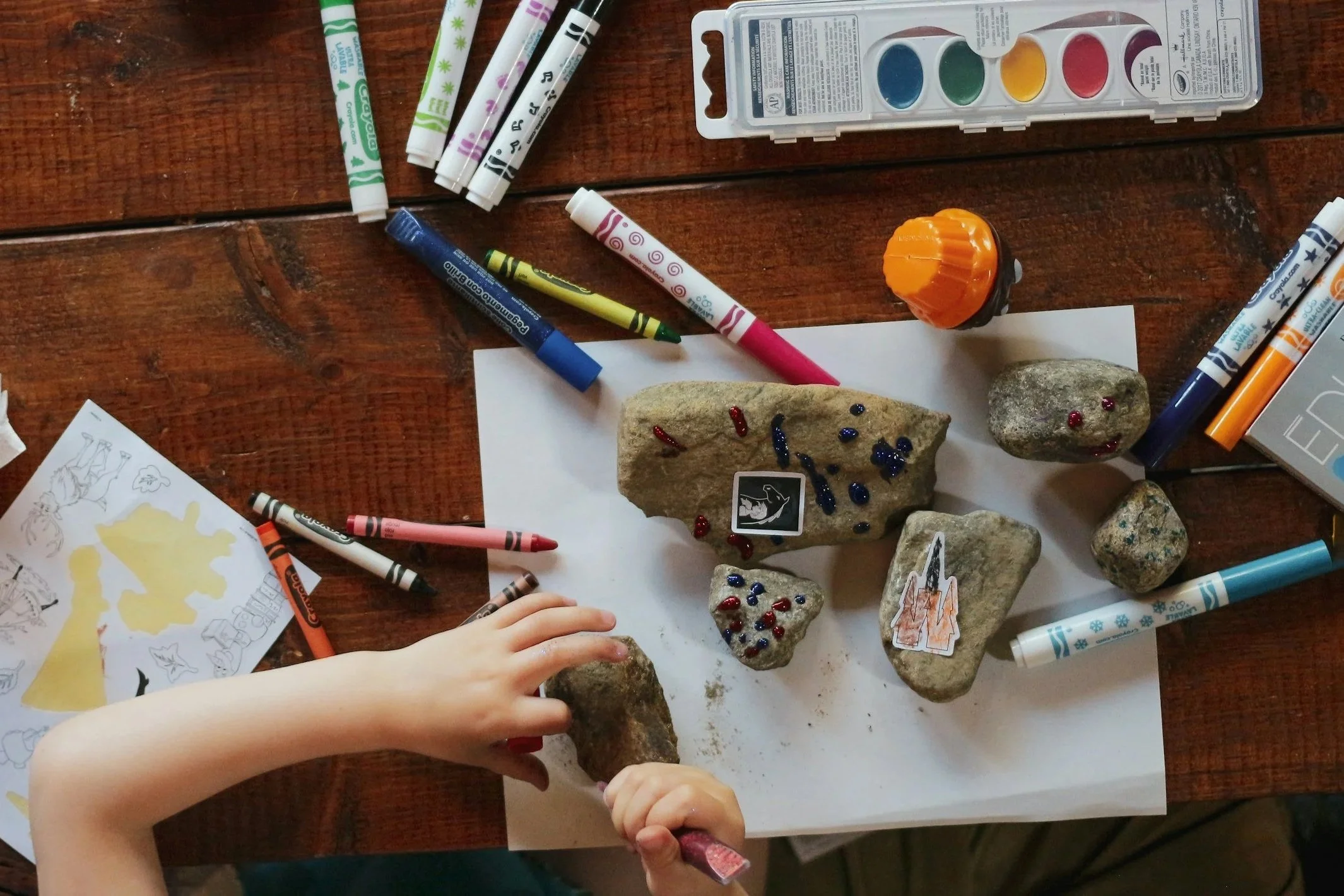
Screens often sneak in more than we realize—background TV, long car rides, waiting rooms. One practical solution: replace passive screen time with engaging alternatives, especially during travel.
Simple, Age-Appropriate Activity Ideas
0 – 18 Months: The Sensory Explorer
At this age, it’s all about textures, sounds, and "in-and-out" play. Avoid small parts, as everything goes in the mouth.
The "Texture Tug" Box: Take an empty tissue box and stuff it with different fabric scraps (silk, fleece, crinkly paper). Let them pull them out one by one.
Sensory Shaker Bottle: Fill a small plastic water bottle (super-glue the cap shut!) with colorful rice, large sequins, or pom-poms.
Velcro Ribbon Board: Glue the "scratchy" side of Velcro strips to a piece of cardboard. Give them various ribbons with the "soft" side of Velcro attached to the ends so they can pull them off and stick them back on.
18 Months – 2 Years: The Busy Hand
This stage is defined by "maximum effort." They want to master a task and love repetitive motions.
The Spice Jar Pom-Pom Drop: Clean out a large plastic spice shaker (the kind with the holes in the lid). Give them a handful of colorful pom-poms to push through the holes.
Magnetic Tin: Use an old lunchbox or cookie tin. Include large, chunky magnets (letters or animals). The tin keeps the magnets contained, and the clicking sound is very satisfying.
Sticky Note Wall: Stick 10–15 Post-it notes to the back of the seat in front of them. The simple act of peeling them off and re-sticking them can keep a toddler occupied for surprisingly long stretches.
2 Years – 5 Years: The Mini-Creator
Preschoolers have better fine motor skills and are starting to enjoy "pretend" play and sorting.
The Busy Binder: Use a three-ring binder with zipper pouches. Fill them with:
Pipe Cleaners & Cheerios: For "beading" edible jewelry.
Color Sorting: A few crayons and some printed circles of the same colors.
Sticker "Dot-to-Dot": Draw large, simple shapes or letters on a piece of paper. Give them a sheet of circle stickers and have them "trace" the lines by placing stickers along the path.
The Felt Storyboard: Glue a large piece of felt to a piece of cardboard. Cut out felt shapes (trees, sun, cars, people). Felt naturally sticks to felt, so they can "build" scenes without the mess of glue or tape.
Age 6+: The Master Strategist
By age six, kids can handle multi-step logic and more complex creative projects.
The "Travel Journal" Kit: A small notebook, a four-color clickable pen, and a glue stick. Give them "missions," like gluing in a napkin from a rest stop or drawing the weirdest billboard they saw.
Finger String Games: Include a loop of colorful string and a small printed guide for "Cat’s Cradle" or "Jacob’s Ladder." It’s a great quiet-time skill to master.
Dry-Erase Activity Cards: Laminate cards with "Hangman," "Tic-Tac-Toe," or "Squares." Give them a single dry-erase marker with an eraser on the cap.
Final Recap
Screen time isn’t inherently good or bad; it’s a tool.
Used intentionally, it can support learning, creativity, and even connection. Used excessively or passively, it can interfere with development, mental health, and academic success.
The goal isn’t perfection; it’s awareness and balance.
Follow age-appropriate guidelines, stay involved when possible, and make space for offline experiences that screens can’t replace.
And importantly, give yourself some grace.